
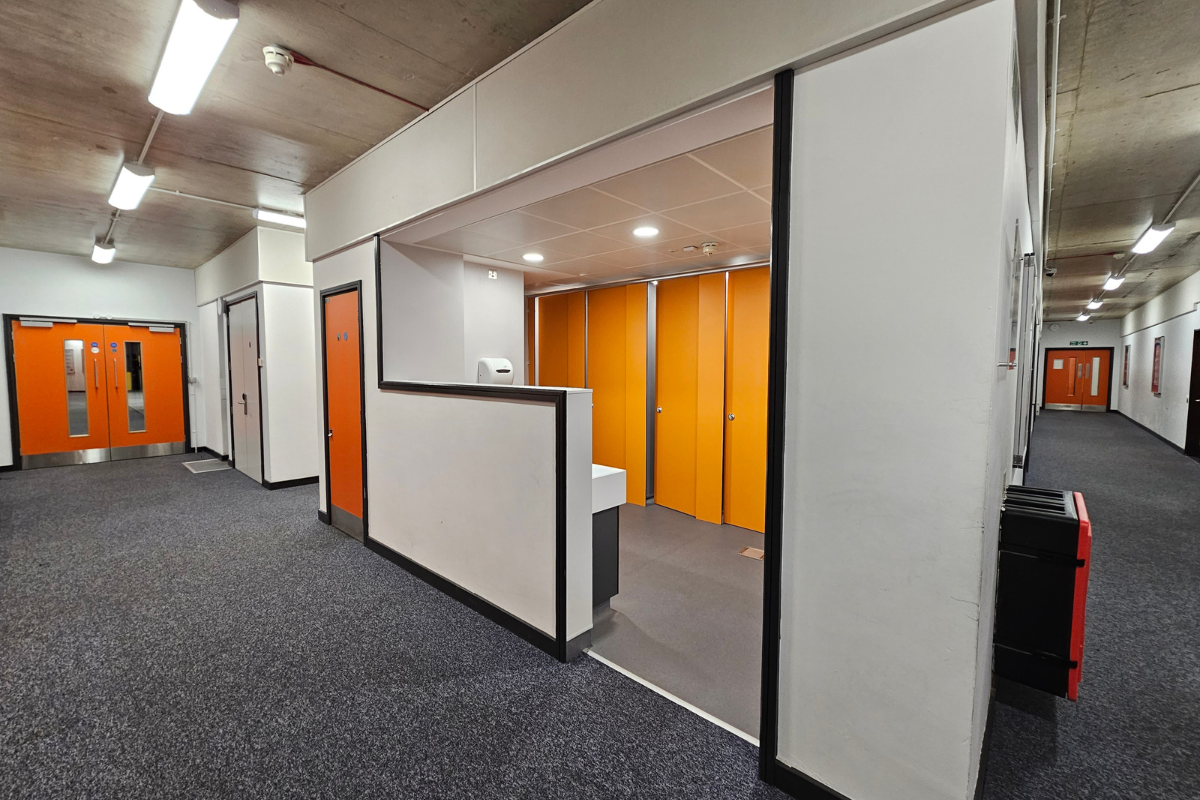
Safeguarding in education is about more than policies and procedures – it’s about creating environments where students feel secure, supported and able to thrive. While classrooms and playgrounds are often at the centre of safeguarding conversations, washrooms play a critical and sometimes overlooked role in student wellbeing, safety and confidence.
At Interfix, we believe washrooms are not just functional spaces – they are environments that influence behaviour, wellbeing and the overall school experience. Thoughtful washroom design can actively support safeguarding outcomes across every stage of education.
Washrooms: high-traffic spaces that require careful planning
School washrooms are among the busiest areas in any educational setting. They are shared, transitional spaces where students often have more independence – making thoughtful design and layout essential.
Government guidance highlights that suitable toilet and washing facilities must be provided for pupils, with considerations around supervision, privacy and accessibility forming part of the wider safeguarding picture.
When washrooms are poorly planned or outdated, they can become environments where students feel vulnerable or reluctant to visit. Conversely, modern, well-maintained facilities help create a positive atmosphere that supports learning and daily routines.
From our experience delivering education washroom projects across London and the South East of England, the most successful spaces combine durability with a user-focused design that promotes safety without compromising dignity.
Balancing privacy and supervision
One of the biggest safeguarding challenges in school washrooms is finding the right balance between student privacy and staff oversight.
Design guidance emphasises that toilets should allow staff supervision while still protecting pupils’ dignity – for example through open-plan handwashing areas, secure cubicle locks and modesty screens.
This balance is especially important as students progress through different key stages. Younger pupils may benefit from more visible layouts, while older students require enhanced privacy solutions that help reduce risks such as bullying or misuse of spaces.
A well-designed washroom supports passive supervision – allowing staff to remain aware of activity without creating an intrusive environment. It’s a design-led approach that strengthens safeguarding through thoughtful spatial planning.
Supporting student wellbeing and confidence
Washrooms are closely linked to both physical health and emotional wellbeing. Research highlights that the condition, accessibility and comfort of school toilets can influence whether students feel confident using them – particularly for young people managing medical or continence needs. (Source: ERIC – The Children’s Bowel and Bladder Charity).
When students avoid washrooms due to poor conditions, this can have a knock-on effect on concentration, attendance and wellbeing.
Modern education washrooms should therefore prioritise:
- Hygienic, easy-to-clean finishes
- Durable, anti-vandal materials
- Accessible layouts for all users
- Bright, welcoming design that reduces anxiety
At Interfix Washrooms, we focus on creating spaces that enhance psychological wellbeing and help students feel safe throughout the school day – because safeguarding isn’t just about risk reduction; it’s about building confidence in the environment around them.
Inclusive design as a safeguarding priority
Safeguarding also means ensuring every student – regardless of ability, age or identity – can access facilities safely and comfortably.
UK regulations outline the need for separate facilities for boys and girls over the age of eight (with certain single-occupancy exceptions) and appropriate accessible toilets for disabled users.
Inclusive design considerations might include:
- Accessible cubicles and ambulant facilities
- Clear wayfinding and signage
- Visual contrast and lighting for partially sighted users
- Layouts that minimise blind spots
By designing with inclusivity in mind from the outset, schools can create washrooms that support safeguarding objectives while also promoting independence and dignity for every student.
The role of washroom design in Ofsted readiness
Inspectors increasingly recognise that the condition and usability of facilities contribute to overall student welfare. Washrooms that enable supervision, maintain hygiene standards and respect privacy are more likely to support positive inspection outcomes.
Common design pitfalls – such as poor visibility, broken locks or insufficient facilities – can undermine safeguarding strategies and affect the perception of a school’s environment.
That’s why partnering with experienced washroom specialists is essential. A collaborative approach ensures that regulations, safeguarding expectations and real-world school needs are considered from the earliest stages of a washroom refurbishment or new build.
Transforming spaces. Supporting people.
Safeguarding isn’t confined to policies – it’s embedded in the physical spaces students use every day. Well-designed washrooms help reduce risk, promote wellbeing and create a positive experience for pupils and staff alike.
At Interfix, we don’t just refurbish washrooms – we reimagine them. By combining creative thinking with practical expertise, we deliver dependable, future-ready education washrooms that stand the test of time while supporting the people who rely on them most.
If you’re reviewing your school’s safeguarding strategy, your washrooms may be one of the most impactful places to start.
For support in the planning, design and installation of your school washrooms, get in touch with our expert team today:
T: 01634 826781
E: mail@interfixgroup.com

