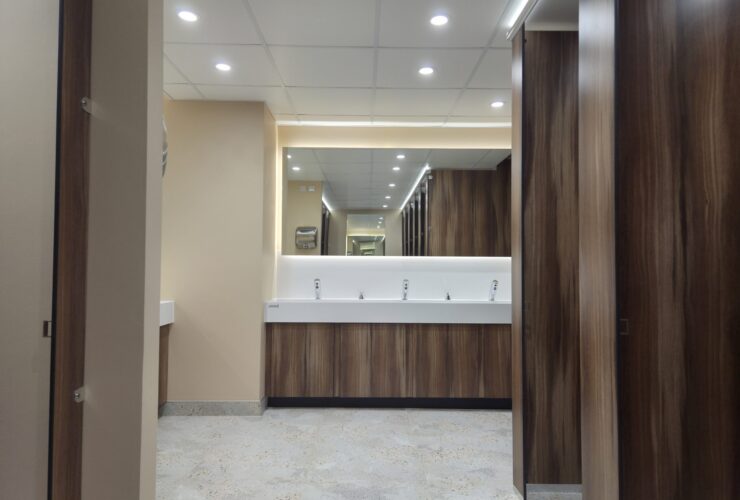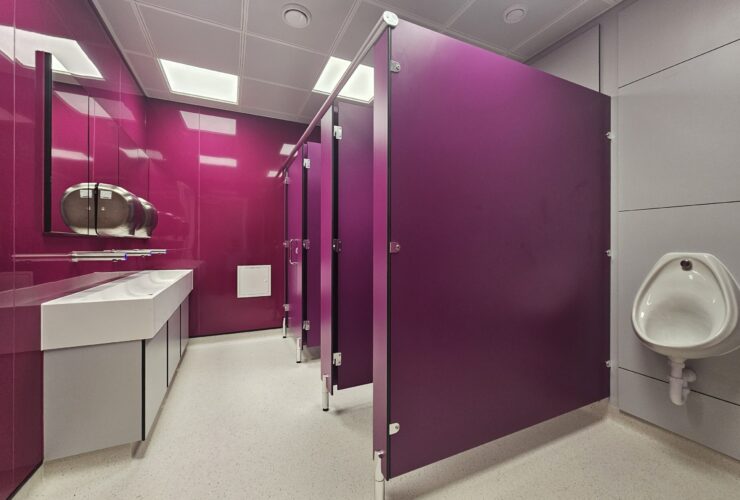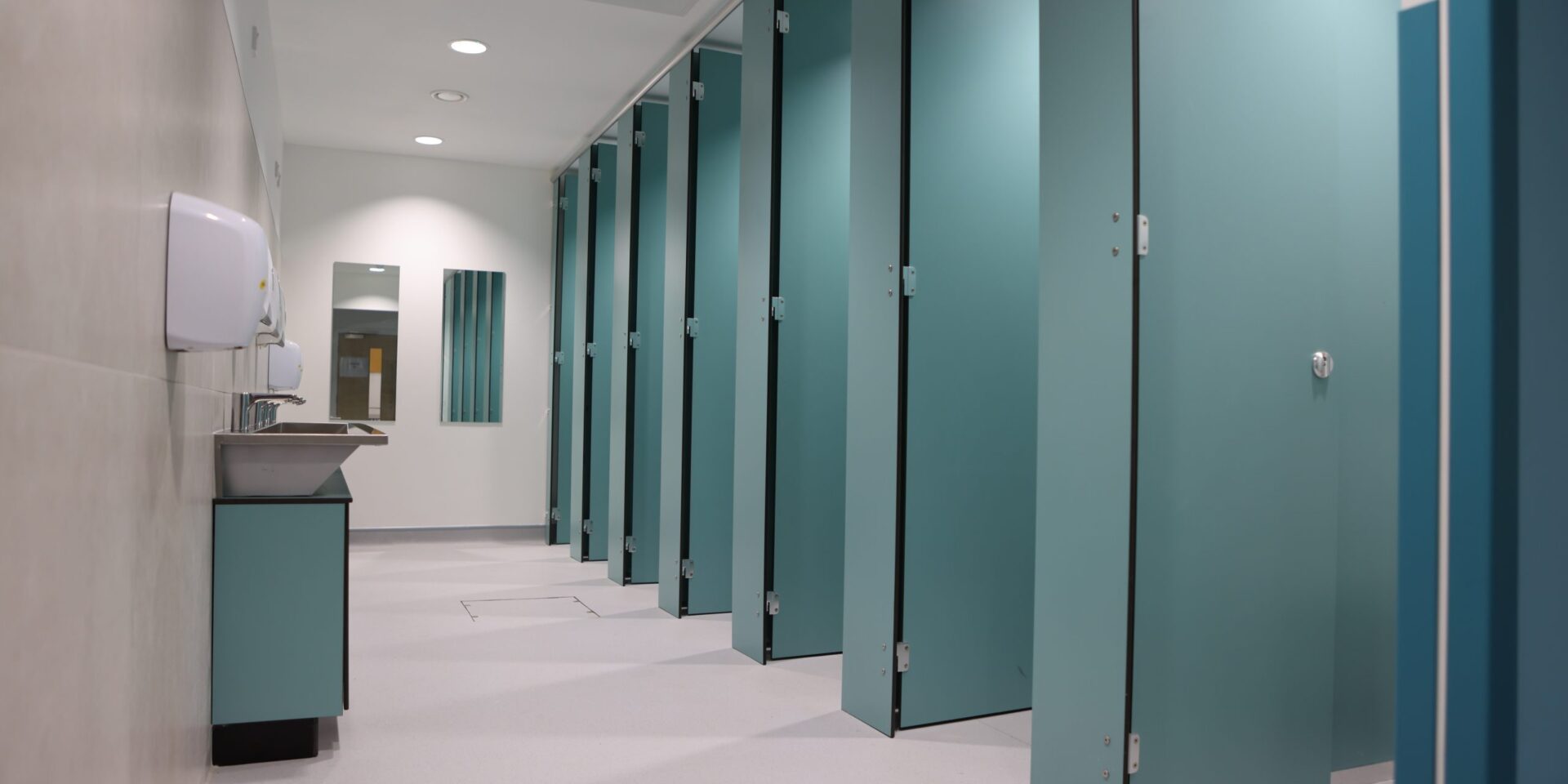
School washrooms are among the busiest and most heavily used areas in any educational building. With constant footfall throughout the day, it’s no surprise that odours and hygiene issues can quickly develop if facilities are not designed and maintained with care.
A clean, fresh and well-maintained washroom supports student wellbeing, encourages good hygiene habits and creates a more positive learning environment.
This practical guide outlines the key steps school facilities managers can take to reduce odours and improve hygiene in a sustainable and manageable way.
Why odour control and hygiene matter in schools
Washroom conditions have a direct impact on how students and staff feel about their environment. Poorly maintained facilities can lead to discomfort and reluctance to use toilets, while clean and well-kept spaces encourage healthy habits and confidence.
Because school washrooms are high-traffic environments, they require solutions that are durable, easy to clean and designed with hygiene in mind.
The most effective approach combines regular maintenance, thoughtful design and appropriate equipment.
- Build a consistent cleaning routine
Routine cleaning remains the most effective way to control odours and maintain hygiene.
A structured cleaning schedule should include:
- Frequent inspection of high-traffic areas
- Regular sanitising of touchpoints
- Daily cleaning of floors and cubicles
- Prompt removal of waste
- Regular restocking of soap and paper products
Regular cleaning and maintenance reduce the spread of germs and significantly improve the perception of facilities without requiring major investment.
Consistency is key. Even well-designed washrooms will struggle to stay fresh without a reliable maintenance plan.
- Improve ventilation and air circulation
Warm, damp washrooms create ideal conditions for bacteria and unpleasant odours. Improving airflow is one of the simplest ways to tackle the root causes of smell.
Effective strategies include:
- Installing or upgrading extraction systems
- Maintaining ventilation units
- Allowing airflow where possible
- Preventing moisture build-up
Good air circulation removes humidity and reduces the growth of odour-causing bacteria.
Where ventilation is limited, even small improvements can have a noticeable impact.
- Address common sources of odour
Many persistent washroom smells are linked to preventable maintenance issues.
Typical causes include:
- Limescale build-up in pipework
- Blocked drains
- Incomplete flushing
- Damp areas and mould
- Urine residue around fixtures
For example, limescale accumulation can encourage bacteria growth and blocked pipework, leading to unpleasant smells if not treated.
Routine inspections and preventative maintenance help stop these problems before they escalate.
- Reduce contact points where possible
Minimising touchpoints can improve both hygiene and user confidence.
Touch-free solutions may include:
- Sensor-operated taps
- Automatic flushing
- Sensor soap dispensers
- Automatic hand dryers
- Motion-sensor lighting
These systems reduce the number of surfaces users need to touch and help limit the spread of germs while also improving convenience.
They can also help control water usage and improve overall washroom efficiency.
- Choose hygienic and durable materials
The materials used in school washrooms play a significant role in long-term hygiene performance.
Effective choices include:
- Large-format wall tiles with minimal grout
- Water-resistant laminates
- Solid surface materials
- Impact-resistant cubicles
Surfaces that are easy to clean and resistant to moisture prevent dirt build-up and make ongoing maintenance easier.
In busy school environments, durability is just as important as appearance.
- Support good handwashing habits
Even the best-designed washroom depends on users following good hygiene practices.
Schools can encourage handwashing by:
- Ensuring sinks are accessible
- Keeping soap dispensers full
- Providing effective drying options
- Maintaining clean wash areas
Well-designed handwashing facilities play a key role in improving hygiene and reducing the spread of germs in shared environments.
Clear signage and consistent maintenance help reinforce positive habits.
A long-term approach to fresh, hygienic facilities
Reducing odours and improving hygiene in school washrooms is not about a single solution – it requires a coordinated approach combining maintenance, design and equipment.
When washrooms are clean, well-ventilated and easy to maintain, they become spaces that support student wellbeing and reflect positively on the school environment.
By focusing on practical improvements and consistent maintenance, facilities teams can create washrooms that stay fresh, hygienic and fit for everyday use.
For more information and guidance, and to book your free site visit, get in touch with our expert washroom team:
T: 01634 826781