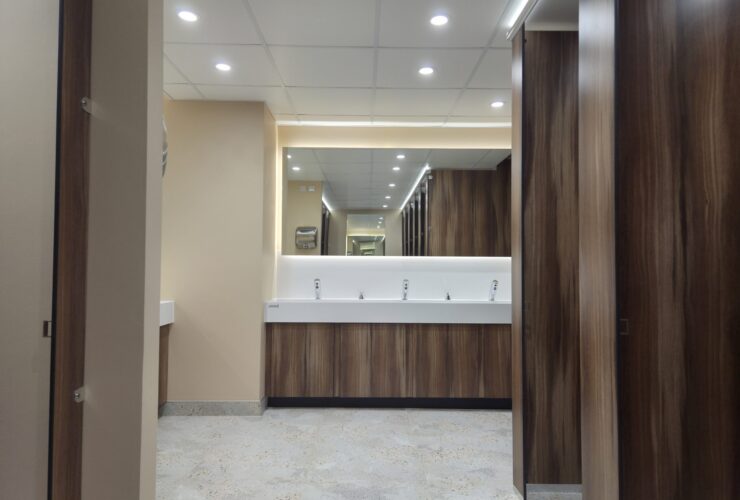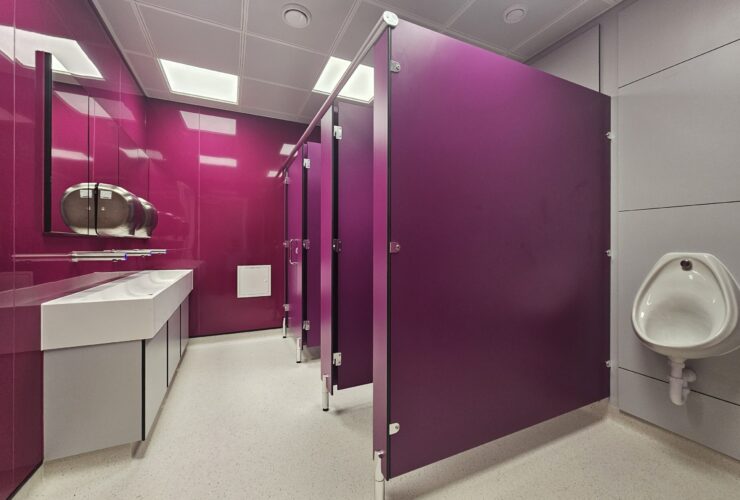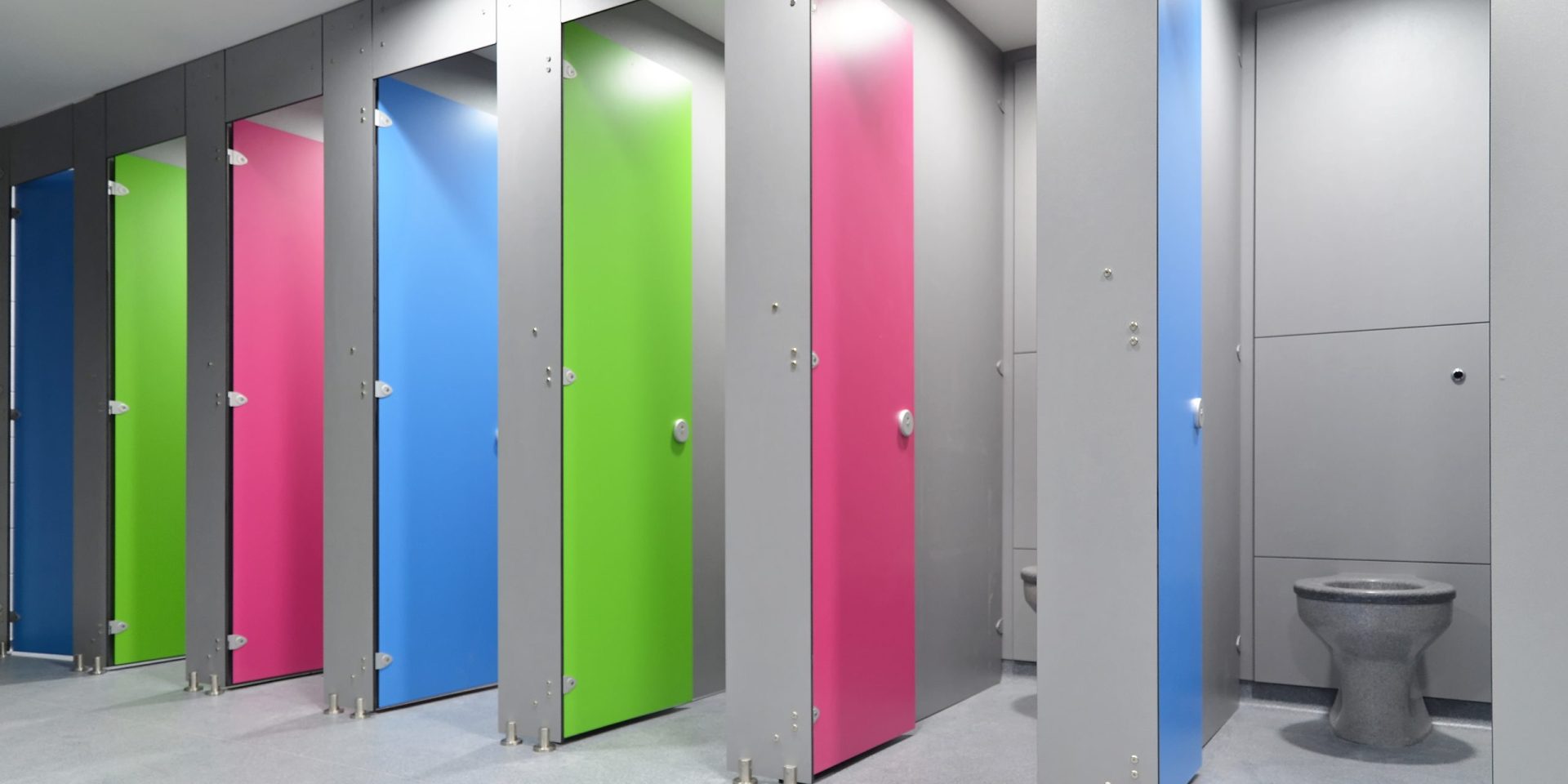
For education leaders across London and the South East, preparing for an Ofsted inspection in 2026 means looking closely at the details that shape pupils’ everyday experience. One area that is often overlooked – but increasingly scrutinised – is the condition, safety and usability of school washrooms.
Well-designed washrooms do more than meet basic compliance requirements. They support pupil wellbeing, promote independence, reduce behavioural issues and contribute to a positive learning environment. For inspectors, they are also a visible indicator of how well a school manages safeguarding, maintenance and student welfare.
Below is a practical checklist to help headteachers, estates managers and trust leaders ensure their facilities are inspection-ready.
- Cleanliness and hygiene standards
Ofsted inspectors increasingly consider whether schools provide environments that support pupil health and wellbeing. Washrooms should be consistently clean, well maintained and easy to keep hygienic.
Inspectors may look for:
- Clear cleaning schedules and maintenance records
- Adequate ventilation to prevent odours and damp
- Surfaces that are easy to wipe down and disinfect
- Access to soap, warm water and hand drying facilities
High-quality materials and finishes can significantly reduce long-term maintenance demands, particularly in high-traffic schools.
- Safeguarding through design
Washroom design plays a key role in safeguarding. Inspectors will want to see that spaces allow appropriate supervision while still respecting pupil privacy.
Key considerations include:
- Sightlines that allow staff oversight without compromising privacy
- Full-height cubicles where appropriate for secondary settings
- Robust partitions that reduce opportunities for anti-social behaviour
- Layouts that discourage bullying or congregation in hidden areas
Modern washroom systems are increasingly designed with safeguarding built into the structure itself.
- Accessibility and inclusivity
Inclusive facilities are essential. Schools must ensure that all pupils, including those with disabilities or additional needs, can access suitable washroom facilities.
Inspectors may review:
- Compliance with accessibility regulations
- Adequate provision of accessible toilets
- Age-appropriate cubicle heights for primary settings
- Thoughtful design that supports dignity and independence
Forward-thinking schools are also reviewing how facilities support the needs of all pupils as expectations around inclusivity continue to evolve.
- Durability and maintenance
In busy schools, washrooms must withstand heavy daily use. Inspectors will often notice signs of poor maintenance, vandalism or outdated infrastructure.
Look for:
- Impact-resistant cubicles and panels
- Secure fittings and fixtures
- Materials that resist moisture damage and graffiti
- A proactive maintenance strategy rather than reactive repairs
Durable systems not only improve the appearance of facilities but also reduce long-term costs for schools and trusts. For more information on Anti-Vandal Washroom Design – visit our practical design guide.
- Adequate provision for pupil numbers
Overcrowded or insufficient facilities can affect pupil comfort and punctuality between lessons. Inspectors may check whether the number of toilets and wash basins is appropriate for the size of the school.
Consider:
- Whether facilities meet recommended pupil-to-toilet ratios (for more information on this, please visit our School Washroom Guide)
- Strategic placement across the building to minimise congestion
- Clear signage and accessibility during break times
A well-planned layout ensures that facilities support the flow of the school day.
- Supporting pupil wellbeing
Increasingly, inspectors are interested in the wider environment schools create for pupils. Washrooms that feel safe, private and well maintained contribute to a culture of respect and care.
This includes:
- Adequate lighting
- Neutral, welcoming finishes
- Privacy locks that function correctly
- Spaces that pupils feel comfortable using throughout the day
When students feel confident using facilities, it has a measurable impact on wellbeing, attendance and behaviour.
A final thought for school leaders
Washrooms may not be the first thing inspectors discuss in meetings, but they are one of the first spaces they observe during a school walk-through.
For schools across London and the South East preparing for inspection in 2026, reviewing washroom facilities is a simple but powerful step towards demonstrating strong safeguarding, effective site management and a commitment to pupil wellbeing.
Taking a structured approach to washroom design and maintenance helps ensure facilities meet both current expectations and the evolving standards of modern education environments.
Get in touch with our team of washroom experts to discuss your requirements in more detail and to book your free site visit:
T: 01634 826781
Information Resources:
DfE School Premises Regulations guidance (gov.uk)
Ofsted inspection frameworks and equality guidance (gov.uk)
School toilet regulations and ratios for pupil facilities (gov.uk)
Industry guidance on safeguarding, hygiene and design best practice (gov.uk and eric – the Children’s Bowel & Bladder Charity)
Student wellbeing research related to school toilet access (eric – the Children’s Bowel & Bladder Charity)