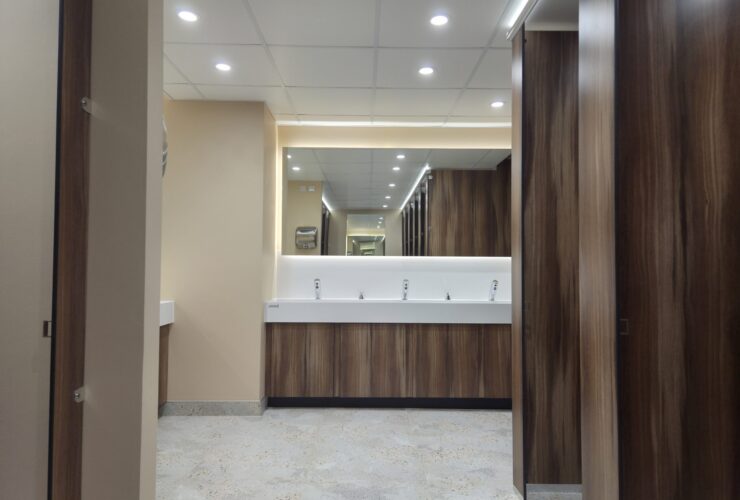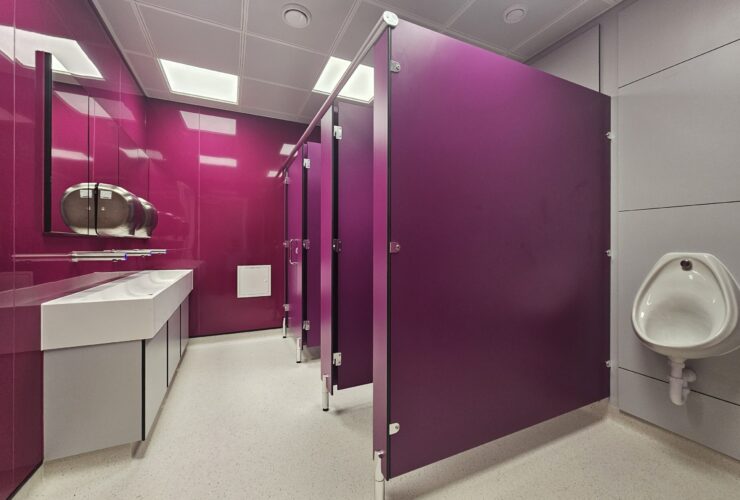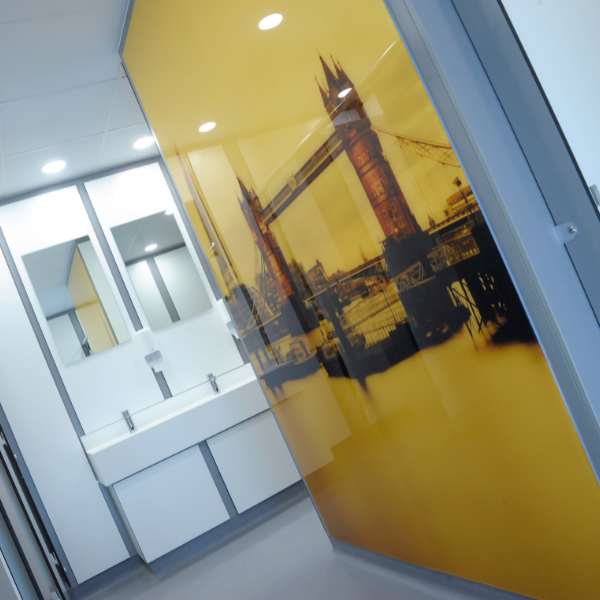
Across the UK education sector, washrooms are no longer a ‘make-do’ asset. Regulatory changes, safeguarding expectations, and rising standards around hygiene and accessibility mean that estates and facilities teams must now take a far more strategic approach.
For multi-academy trusts, local authorities, and individual schools alike, washroom refurbishment is increasingly a compliance-critical decision, not just an aesthetic one.
Why washrooms are now a strategic priority
Recent and evolving UK regulations are directly influencing how education settings design, refurbish, and maintain washrooms:
- Safeguarding and supervision expectations
Updated safeguarding guidance places greater emphasis on:
- Clear sightlines and appropriate privacy
- Robust, tamper-resistant fittings
- Materials that reduce opportunities for misuse or concealment
Washrooms must now support safe supervision without compromising dignity, especially in primary and SEN environments.
- Equality Act 2010 & inclusive design
Education providers are under increasing scrutiny to ensure washrooms:
- Are genuinely accessible, not just ‘minimum compliant’
- Support pupils, staff, and visitors with physical disabilities
- Accommodate neurodiverse needs through calm, durable, easy-to-maintain environments
Inclusive washroom design is no longer optional – it’s a legal and reputational requirement.
- Hygiene, infection control & public health
Post-pandemic guidance has permanently raised expectations around:
- Non-porous, easy-clean surfaces
- Reduced touchpoints and improved layouts
- Materials that withstand frequent, intensive cleaning regimes
Washrooms that fail to meet these standards can quickly become a risk to attendance, wellbeing, and inspection outcomes.
- Building Regulations & water efficiency
Current Building Regulations increasingly emphasise:
- Water efficiency and responsible consumption
- Sustainable materials with long service life
- Reduced maintenance and whole-life cost planning
Short-term fixes now carry long-term financial and compliance risks.
The cost of getting it wrong
For estates and facilities leaders managing multiple sites, outdated washrooms can lead to:
- Increased maintenance spend and reactive repairs
- Poor Ofsted or inspection feedback
- Safeguarding concerns
- Negative staff and pupil experience
A compliant washroom refurbishment is not just about meeting today’s standards – it’s about future-proofing estates.
How Interfix supports education estates
Interfix specialises in education-focused washroom refurbishments designed around:
- Full UK regulatory compliance
- Durable, vandal-resistant systems
- Hygienic, easy-to-maintain materials
- Consistent design standards across multi-site estates
- Minimal disruption to live education environments
With decades of experience working across schools, colleges, and multi-academy trusts, Interfix Washrooms understands the practical realities of education estates management – from safeguarding concerns to phased installations, fit out timescales and long-term asset planning.
Planning ahead
As regulations continue to evolve, education decision-makers who act proactively will reduce risk, control costs, and create safer environments for pupils and staff alike.
Washroom refurbishment is no longer a reactive maintenance issue – it’s a strategic estates investment.
For the latest information regarding UK education washroom compliance – take a look at the Department of Education website.
Interfix Washrooms helps education providers get it right first time.
If you’re looking for support in the design and installation of compliant, durable and sustainable washroom facilities for your education setting, get in touch with our expert washroom team today to book a free site visit.