Creating safe, supportive learning environments goes far beyond the classroom. Increasingly, education leaders are recognising that overlooked spaces – particularly school washrooms – can become hotspots for vaping and anti-social behaviour if not thoughtfully designed.
For estate managers, head teachers, and facilities professionals, the challenge is clear: how can washroom environments actively discourage misuse while remaining welcoming, durable, and easy to maintain?
The answer lies in intelligent, preventative washroom design.
The hidden role of washroom spaces
School washrooms are often unsupervised by necessity. This makes them vulnerable to behaviours that thrive in privacy – vaping, vandalism, bullying, and loitering.
Traditional washroom layouts, with enclosed cubicles, concealed corners, and poor visibility, can unintentionally enable these issues. Addressing the problem isn’t simply about increased monitoring – it’s about designing spaces that naturally discourage misuse.
Designing out anti-social behaviour
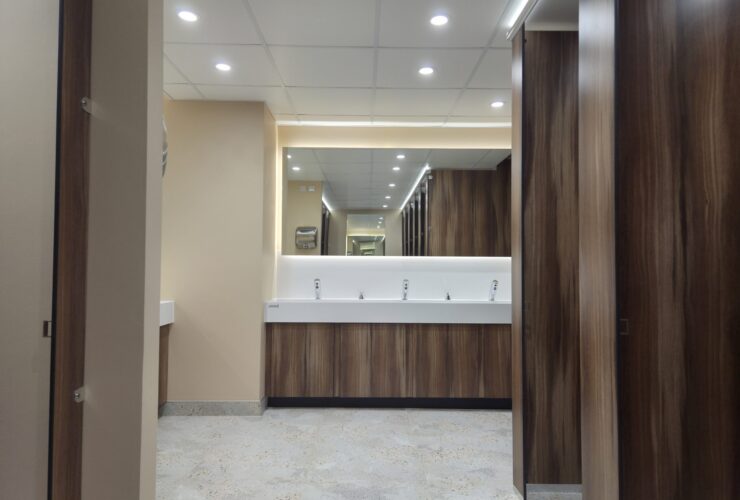
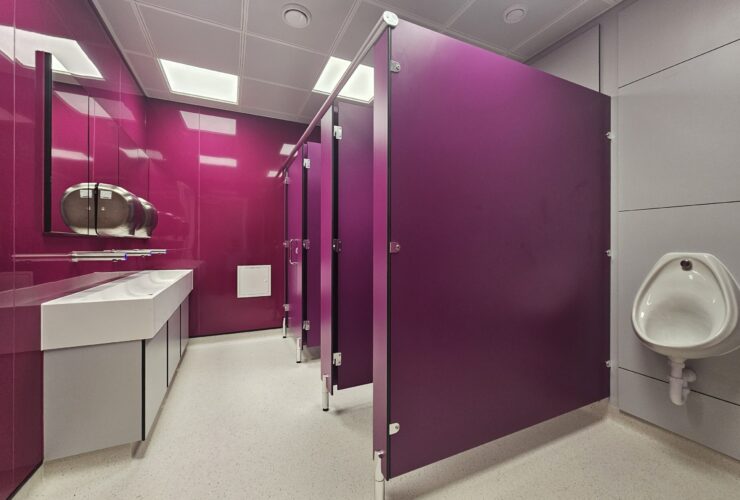
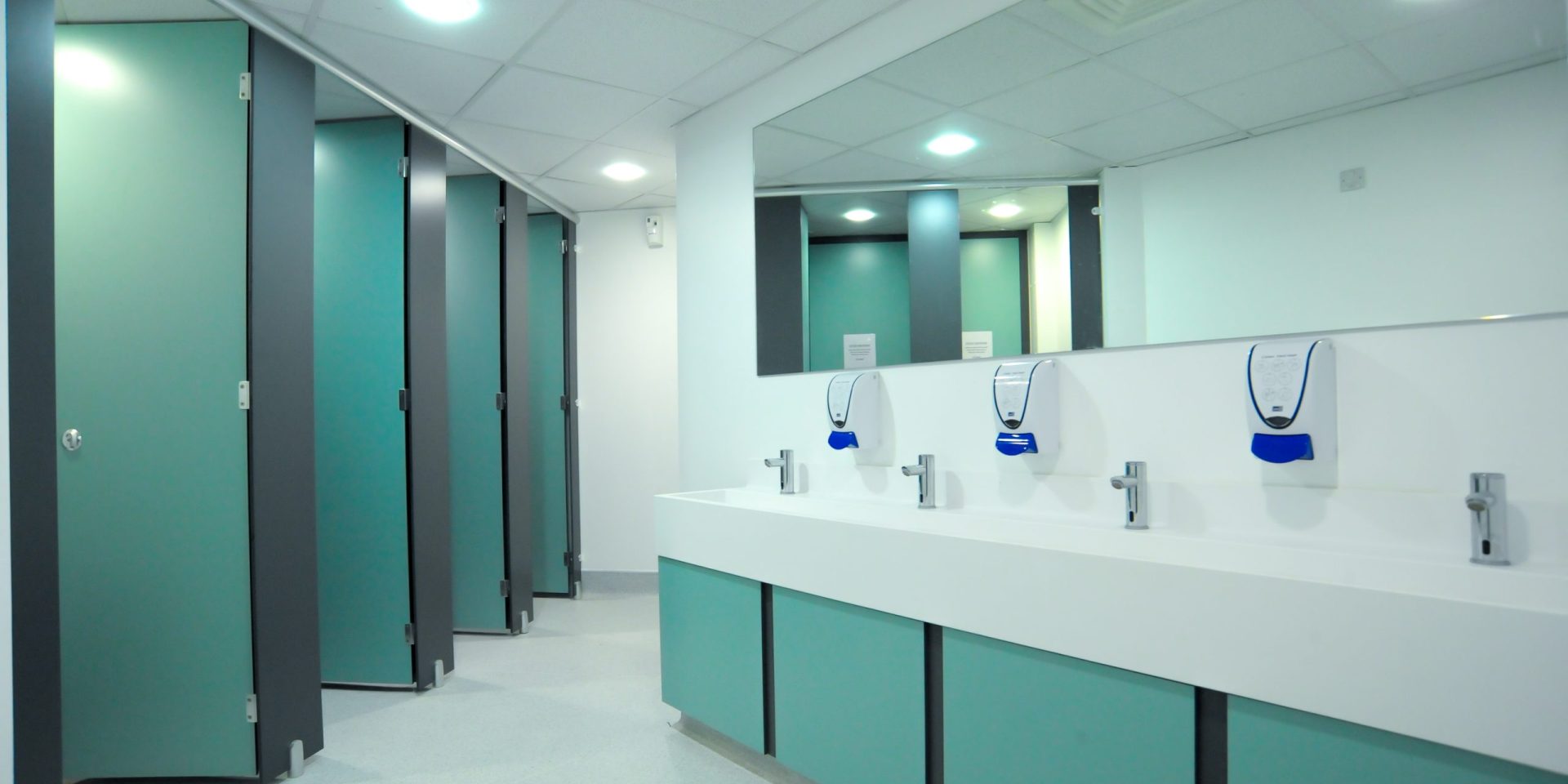
A well-designed washroom can act as a passive deterrent. By reducing opportunities for concealment and increasing natural visibility, schools can significantly limit the likelihood of inappropriate behaviour.
Key design strategies include:
- Improved visibility without compromising privacy
Open-plan entrance areas and carefully positioned cubicles remove hidden zones while maintaining user dignity. Sightlines from entrances, without direct views into private areas, can discourage loitering and vaping.
- Eliminating hidden spaces
Full-height duct panels, integrated plumbing systems, and minimal gaps prevent concealment of devices and reduce opportunities for tampering or vandalism.
- Robust, tamper-resistant materials
Durable materials that resist damage not only reduce maintenance costs but also send a clear message: the space is cared for and monitored. Environments that feel maintained are statistically less likely to be misused1.
- Sensor integration and smart monitoring
Modern washroom design can incorporate discreet sensor technology such as vape detection systems or occupancy monitoring to provide alerts without intrusive supervision.
Creating spaces that students respect
There’s a psychological component to behaviour in shared environments. Washrooms that feel neglected or institutional often attract misuse. In contrast, clean, modern, well-lit spaces promote respect.
Consider:
- Bright, even lighting to remove shadowed areas
- Contemporary finishes that elevate perception of the space
- Easy-to-clean surfaces that maintain a consistently high standard
When students perceive a space as valued, they are more likely to treat it accordingly.
Balancing safety, compliance, and experience
For decision makers in education settings, washroom design must also meet strict requirements around safeguarding, accessibility, and compliance. The goal isn’t to create surveillance-heavy environments, but to strike a balance between safety and user comfort.
Effective solutions align:
- Safeguarding priorities – reducing opportunities for hidden or harmful behaviour
- Operational efficiency – minimising maintenance and lifecycle costs
- User experience – ensuring facilities are welcoming and inclusive
A proactive approach to a growing challenge
Vaping and anti-social behaviour in schools are complex issues, but the built environment plays a critical role in shaping outcomes.
By rethinking washroom design as a proactive tool, not just a functional necessity, schools can reduce incidents, improve student wellbeing, and create environments that support positive behaviour.
For education leaders, the message is clear: prevention starts with design.
Get in touch with our team of washroom experts to learn more about how strategic washroom design for education settings, specifically primary and secondary schools, colleges and universities, can have a positive impact on reducing anti-social behaviours, encourage positive washroom experiences and generally improve student and staff wellbeing.
1 The Broken Windows Theory (developed by James Q. Wilson and George L. Kelling)
Frequently Asked Questions
How can school washroom design help reduce vaping?
School washroom design can play an important role in reducing opportunities for vaping. Open-plan layouts, improved visibility, better supervision, appropriate cubicle configurations and the use of modern monitoring technologies can help deter vaping while maintaining student privacy. A well-designed washroom environment also encourages positive behaviour and reduces opportunities for unsupervised gatherings.
Why are school toilets often used for vaping?
School toilets are commonly used for vaping because they offer students a degree of privacy away from classrooms and staff supervision. Poor visibility, hidden corners and enclosed spaces can make washrooms attractive locations for vaping and other anti-social behaviour. Effective washroom design can help address these challenges.
What features should schools include when refurbishing washrooms to improve behaviour?
Schools should consider open sightlines, durable anti-vandal materials, improved lighting, easy-to-clean surfaces, appropriate cubicle heights, supervised circulation spaces and robust washroom layouts. These features can help create a safer environment that encourages respectful behaviour while reducing opportunities for misuse.
Can school washroom refurbishment improve safeguarding?
Yes. Modern school washroom design can support safeguarding by improving visibility, reducing hidden areas, increasing staff confidence in monitoring facilities and creating environments where students feel safer. Well-designed washrooms can also help reduce bullying, vandalism and other forms of anti-social behaviour.
Do vape detectors work in school toilets?
Vape detectors can help schools identify and respond to vaping incidents in washrooms. Many systems can detect vape emissions and alert staff in real time, allowing schools to address concerns quickly while maintaining student privacy. Vape detectors are often most effective when combined with education, supervision and thoughtful washroom design.
How can schools reduce anti-social behaviour in washrooms?
Reducing anti-social behaviour requires a combination of good design, effective supervision and clear behavioural expectations. Features such as open-plan washroom entrances, durable fixtures, improved visibility and high-quality materials can help discourage vandalism, bullying and misuse while creating a more positive environment for students.
What are the benefits of open-plan school washrooms?
Open-plan washrooms remove hidden entrance areas and improve passive supervision without compromising privacy within cubicles. This can help reduce opportunities for vaping, bullying and anti-social behaviour while making students feel safer when using the facilities.
How do modern school washrooms support student wellbeing?
Clean, welcoming and well-maintained washrooms encourage students to use facilities comfortably throughout the day. This can support wellbeing, improve hygiene habits, reduce anxiety around toilet use and help create a more positive school environment.
How often should school washrooms be refurbished?
The ideal refurbishment cycle depends on usage levels and the quality of existing facilities. Many schools review washroom facilities every 10–15 years, although heavily used areas may require upgrades sooner. Regular maintenance and durable materials can significantly extend the lifespan of school washrooms.
What should school leaders consider when planning a washroom refurbishment?
School leaders should consider safeguarding, student wellbeing, durability, maintenance requirements, accessibility, anti-vandal measures, hygiene standards and future-proofing. Working with an experienced school washroom specialist can help ensure the refurbishment meets both educational and operational objectives.