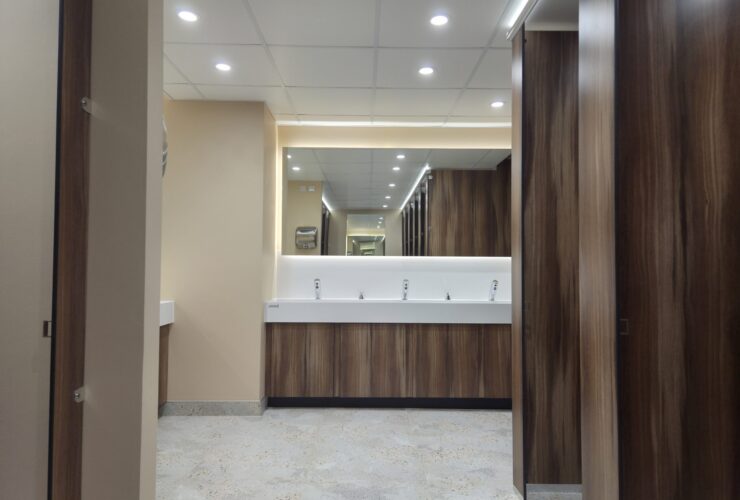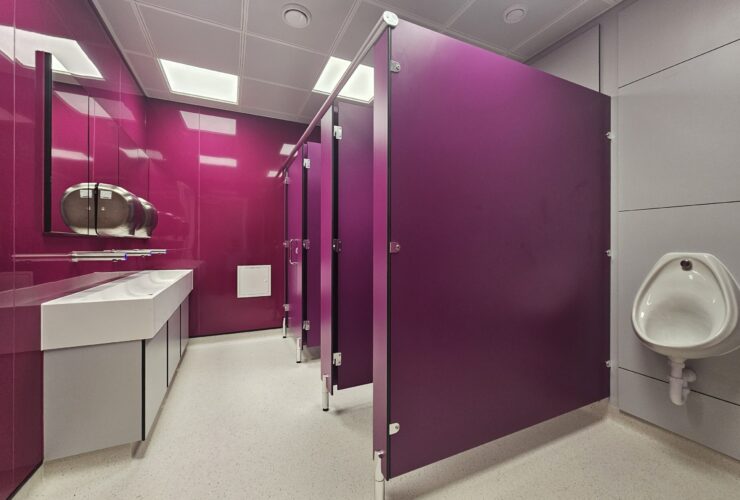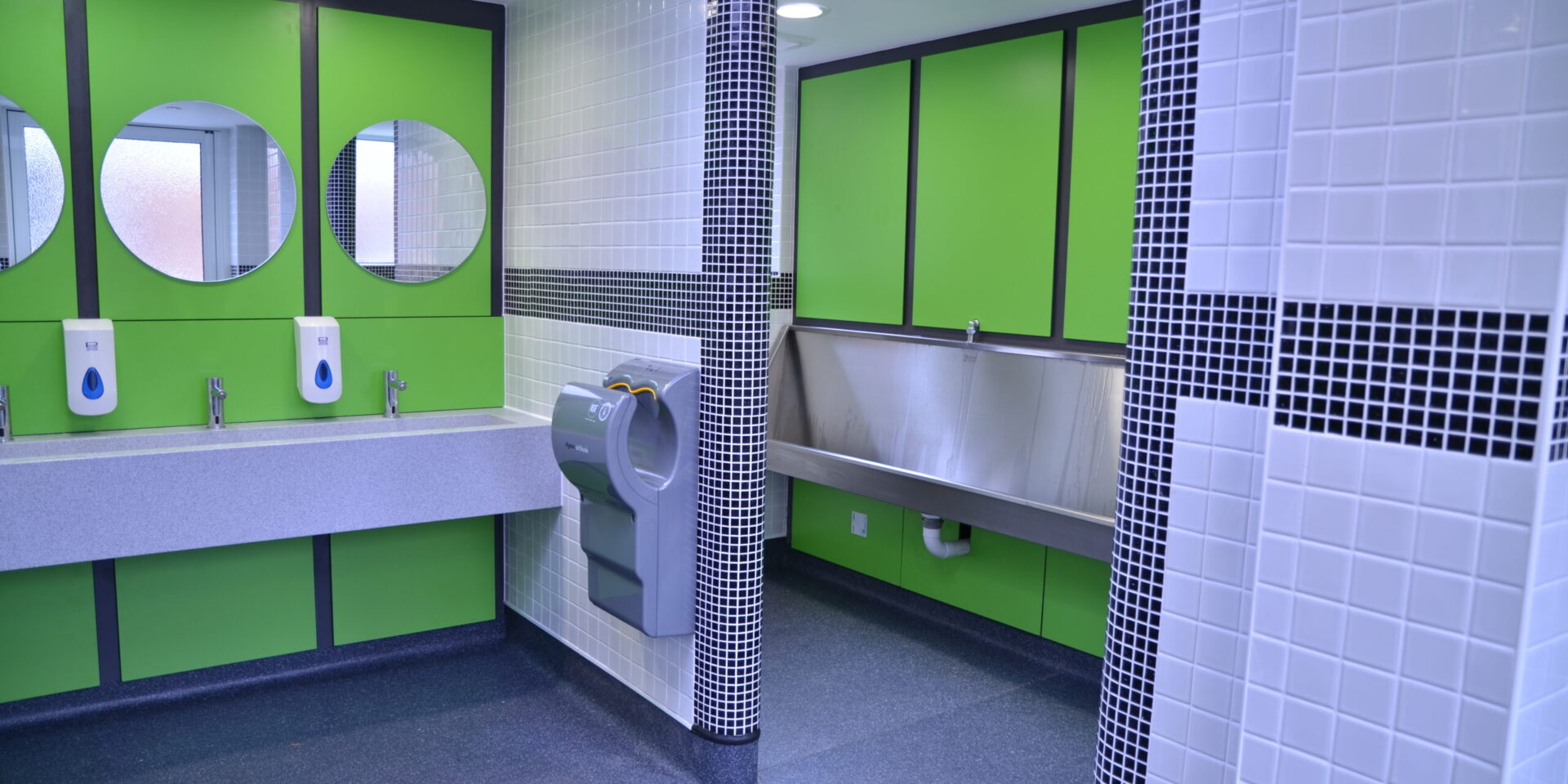
Across both primary and secondary education, washrooms are more than functional spaces. For students with Special Educational Needs (SEN), they can significantly influence wellbeing, independence, dignity and confidence throughout the school day. Thoughtfully designed, accessible washrooms play a critical role in ensuring every student can participate fully in education without unnecessary barriers.
At Interfix Washrooms, we work with education providers across the Southeast of England to create inclusive washroom environments that recognise the diverse needs of students and support schools in meeting both their legal responsibilities and their duty of care.
Why inclusive washrooms matter for SEN students
Students with SEN may experience a wide range of challenges, including physical disabilities, sensory sensitivities, cognitive impairments, or medical needs. Inadequate washroom provision can increase anxiety, lead to avoidance behaviours, or require unnecessary staff intervention – all of which can affect learning outcomes and emotional wellbeing.
Inclusive washrooms help to:
- Promote independence and self-confidence
- Reduce stress and sensory overload
- Support consistent routines, particularly for neurodivergent students
- Enable staff to provide support safely and discreetly when required
Primary vs secondary: evolving needs
Inclusive design must account for how needs change as students progress through education.
In primary settings, washrooms often need to support:
- Smaller users with mobility challenges
- Height-appropriate fixtures and fittings
- Space for carers or teaching assistants to assist safely
In secondary schools, the focus often shifts to:
- Greater privacy and dignity
- Robust, durable solutions for high-traffic environments
- Facilities that support independence while remaining accessible
Designing with flexibility in mind ensures washrooms remain suitable as students grow and school populations change.
Key design considerations for SEN-friendly washrooms
Effective inclusive washroom design goes beyond minimum compliance. It requires a deeper understanding of how space, materials and layout affect behaviour and comfort.
Important considerations include:
- Clear layouts and intuitive navigation to reduce confusion
- Anti-vandal, durable materials that maintain a calm, safe environment
- Appropriate lighting and acoustics to minimise sensory distress
- Sufficient space for mobility aids, carers and specialist equipment
- Consistent design language across the school to support routine and familiarity
These features not only support SEN students but improve usability for all users – staff, visitors and students alike.
Supporting student welfare and long-term value
Inclusive washrooms are a long-term investment. When designed correctly, they:
- Reduce ongoing maintenance and reactive repairs
- Minimise disruption caused by unusable facilities
- Support safeguarding and staff wellbeing
- Demonstrate a school’s commitment to inclusion and equality
By combining accessibility with robust, anti-vandal solutions, schools can protect their investment while delivering spaces that genuinely support student welfare.
Designing for inclusion, not adaptation
True inclusion means designing spaces that work for everyone from the outset – not adapting them later in response to challenges. Washrooms that are accessible, inclusive and resilient help remove barriers to education and create environments where all students can feel safe, respected and supported.
At Interfix Washrooms, we believe inclusive design is not an add-on – it’s fundamental to creating education environments that work for today’s students and for the future.
If you’d like to understand more about our experience in the design and installation of inclusive education washrooms, and how we can support you – get in touch with our expert washrooms team and book your free site visit today.