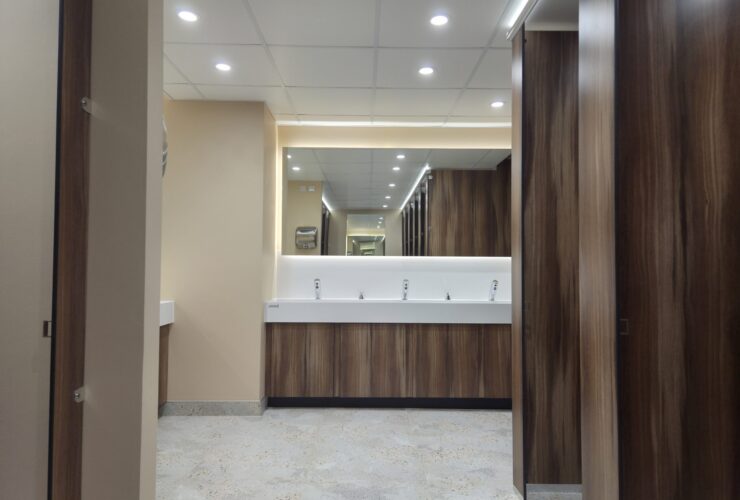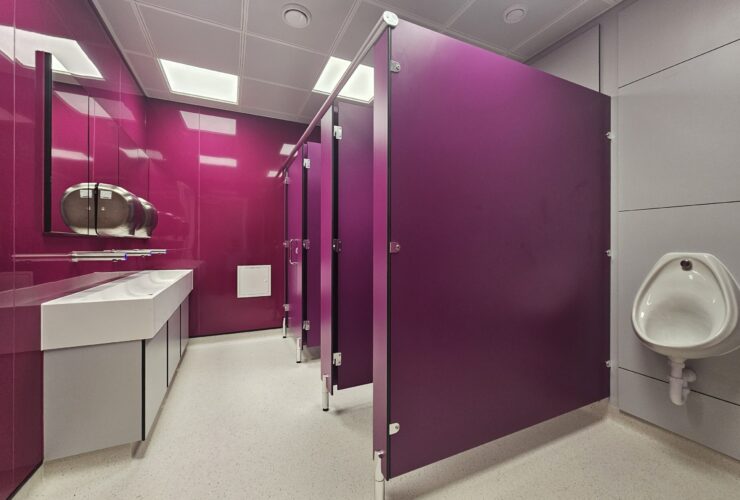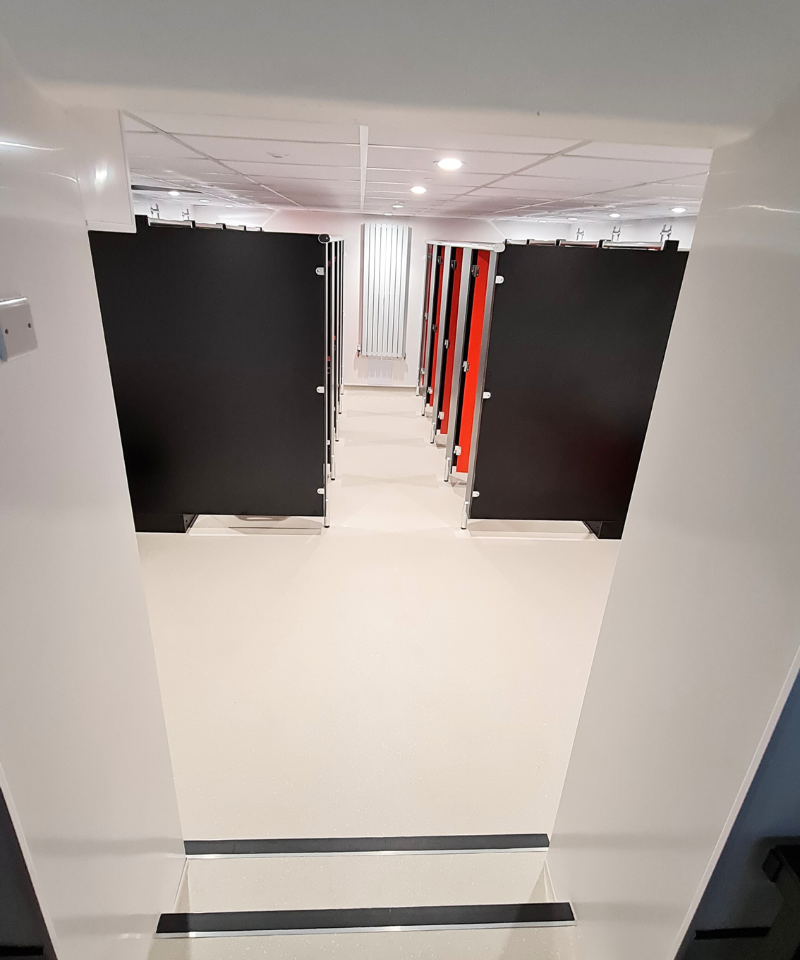
School washrooms are among the hardest-working spaces in any education setting. Used hundreds of times each day, exposed to moisture, heavy footfall, accidental damage and, at times, deliberate misuse, they face a level of wear and tear that few commercial environments experience.
Yet when refurbishment budgets are tight, it can be tempting to prioritise upfront cost over long-term performance. The reality? Choosing lower-cost materials often leads to higher maintenance bills, more downtime, recurring repairs and shorter replacement cycles.
For school leaders, estates managers and trust operations teams, durability is not simply a facilities issue – it is a financial decision, a safeguarding consideration and a contributor to student wellbeing.
Here is what decision makers should consider when choosing washroom materials that are built to last.
Why durability matters in school washrooms
Unlike office or retail environments, school washrooms operate under unique pressures.
Daily usage is intense. Materials must withstand constant cleaning, wet conditions, fluctuating temperatures and heavy impact. In some settings, there is also a need to design against vandalism or misuse without creating an institutional feel.
When materials fail, the consequences quickly add up:
- Increased maintenance and repair costs
- Disruption to students and staff when facilities become unavailable
- Hygiene issues caused by damaged surfaces or fixtures
- Negative perceptions from pupils, parents and visitors
- Reduced lifespan of the refurbishment investment
For schools already managing stretched estates budgets, choosing materials that reduce long-term maintenance can significantly improve whole-life value.
The question should not be “What is cheapest to install?” but rather “What will still be performing well in five, ten or even fifteen years?”
The hidden cost of replacing poor-quality materials
A lower specification may reduce initial capital expenditure, but repeated repairs and replacements can quickly outweigh the savings.
For example, a damaged cubicle door that requires replacement every few years costs far more over time than investing in a more robust system from the outset. The same applies to cracked panels, chipped surfaces, corroded fittings or materials that struggle to withstand frequent cleaning.
School decision makers are increasingly taking a lifecycle approach to estates planning – considering:
- Expected lifespan of materials
- Cleaning and maintenance requirements
- Ease of repair or replacement
- Resistance to vandalism and moisture damage
- Long-term operational costs
This whole-life cost mindset is especially important for multi-academy trusts managing estates across multiple sites.
Choosing cubicle materials that stand up to school life
Washroom cubicles are often the first place wear becomes visible.
In schools, cubicles must balance privacy, aesthetics and durability. Material choice makes a significant difference to long-term performance.
High-pressure laminate (HPL)
High-pressure laminate is commonly used in education settings because it offers good durability and moisture resistance.
It performs well in moderate to high-use environments and can provide an attractive finish while remaining practical.
However, specification matters. Lower-quality laminates may chip or delaminate over time, particularly in wet or heavily used environments.
Solid grade laminate (SGL)
For schools seeking maximum longevity, solid grade laminate is often the strongest choice.
SGL is highly resistant to moisture, impact and wear, making it particularly suitable for:
- Primary schools
- High-footfall secondary schools
- Areas prone to heavy usage or misuse
- Wet environments
Its dense construction means it is significantly harder to damage than standard materials and typically delivers a much longer service life.
While the upfront investment may be higher, schools often benefit from reduced maintenance and replacement costs over time.
Wall and panel finishes: hygiene and resilience matter
Washroom walls endure frequent cleaning and accidental knocks from bags, equipment and student traffic.
Painted walls may seem cost-effective initially, but they often deteriorate quickly in high-moisture environments. Scuffs, peeling paint and water damage can create a tired appearance and increase maintenance requirements.
Durable wall panel systems offer a longer-lasting alternative by providing:
- Easy-to-clean surfaces
- Better moisture resistance
- Reduced maintenance
- Improved hygiene standards
- Greater visual consistency over time
This can be particularly valuable in schools where cleanliness and presentation influence student behaviour and perceptions of the environment.
Research consistently shows that students are more likely to respect facilities that feel well-maintained and cared for.
Flooring: prioritise slip resistance and longevity
Flooring is one of the biggest long-term maintenance considerations in any school washroom.
The wrong choice can lead to safety concerns, hygiene problems and premature replacement.
School washroom flooring should be:
Slip-resistant
Safety remains a key priority, especially in primary and SEND environments where spillages are common.
Water-resistant
Constant moisture exposure requires materials that will not warp, crack or deteriorate quickly.
Easy to clean
Smooth but durable surfaces support cleaning teams and help maintain hygiene standards.
Highly durable
Heavy footfall means flooring must withstand years of daily use without excessive wear.
Poor flooring decisions often result in visible degradation within a relatively short timeframe, leading to avoidable replacement costs.
Fixtures and fittings: small details, big impact
Durability is not just about panels and surfaces.
Fixtures such as locks, hinges, taps, dispensers and hand dryers experience constant daily use and are often the first components to fail if lower-quality products are specified.
Schools should prioritise commercial-grade fittings designed specifically for high-use environments.
Look for features such as:
- Tamper-resistant designs
- Corrosion resistance
- Easy maintenance access
- Robust fixings
- Long manufacturer warranties
Choosing education-focused specifications can significantly reduce callouts and maintenance headaches.
Designing for behaviour as well as durability
Material selection is only one part of creating long-lasting school washrooms.
Good design can actively reduce misuse and improve student behaviour.
For example, open sightlines, thoughtful layouts, durable finishes and anti-vandal specifications can help schools create washrooms that feel safer, cleaner and easier to supervise without compromising privacy.
Well-designed facilities can also improve student confidence and comfort – particularly important at secondary level, where poor washroom experiences can affect wellbeing and attendance.
Increasingly, schools are recognising that washroom design influences how students interact with the space.
A washroom that feels modern, clean and cared for is often treated with greater respect.
A long-term investment, not a short-term fix
School refurbishment budgets are under pressure, but durability should never be treated as a luxury.
The right material choices reduce maintenance demands, improve hygiene, minimise disruption and ultimately deliver stronger long-term value.
When evaluating refurbishment options, school decision makers should ask:
- Will this material withstand heavy daily use?
- How will it perform after years of cleaning?
- What are the likely maintenance requirements?
- Does it support hygiene and safeguarding priorities?
- What is the true lifecycle cost?
The answers can make the difference between a refurbishment that performs for years and one that quickly requires further investment.
Choosing the right partner
Successful school washroom projects rely on more than product selection alone. Specification, installation quality and experience within education environments all influence long-term outcomes.
Working with a specialist provider that understands the realities of school estates – from safeguarding considerations to anti-vandal design and lifecycle value – can help ensure refurbishment investments deliver lasting performance.
At Interfix Washrooms, we frequently work with schools across London and South East England to create durable, hygienic washroom environments designed for heavy daily use, helping education settings invest confidently in spaces built to last.
Looking at a washroom refurbishment project? Speak to the team to discuss practical, long-lasting solutions for your school environment.