The recent heatwaves across the UK have highlighted a growing challenge for schools. Classrooms have become increasingly uncomfortable, outdoor activities have been curtailed and some schools have even been forced to adjust timetables or close early as temperatures climbed well into the 30s. While immediate measures such as relaxing uniform policies and increasing water breaks help schools respond in the short term, they also raise an important question:
Are our school buildings designed for the climate we’re now experiencing?
As temperatures continue to rise year after year, education leaders are beginning to think beyond temporary fixes. Future-proofing school estates means creating environments that support pupil wellbeing, improve comfort and remain functional throughout the changing seasons.
One area often overlooked in this conversation is the school washroom.
Washrooms play a bigger role than many schools realise
School washrooms are no longer simply functional spaces. They are central to pupil wellbeing, hygiene, hydration and comfort throughout the school day.
During periods of hot weather, pupils need regular access to drinking water, opportunities to cool down and facilities that remain pleasant to use despite increased temperatures.
When washrooms become hot, poorly ventilated or difficult to maintain, pupils are less likely to use them. This can lead to reduced hydration, discomfort and wider wellbeing concerns, particularly amongst younger children.
Well-designed washrooms can actively support schools in helping pupils stay comfortable throughout increasingly warm summers.
Hydration starts with accessible, welcoming facilities
Government guidance during periods of hot weather consistently encourages schools to ensure children remain well hydrated throughout the day. Regular water intake helps maintain concentration, reduces fatigue and supports overall health during higher temperatures.
However, encouraging hydration isn’t simply about providing water bottles.
Pupils need clean, accessible and welcoming washroom environments where they feel comfortable refilling bottles and washing their hands without queues or unpleasant surroundings discouraging use.
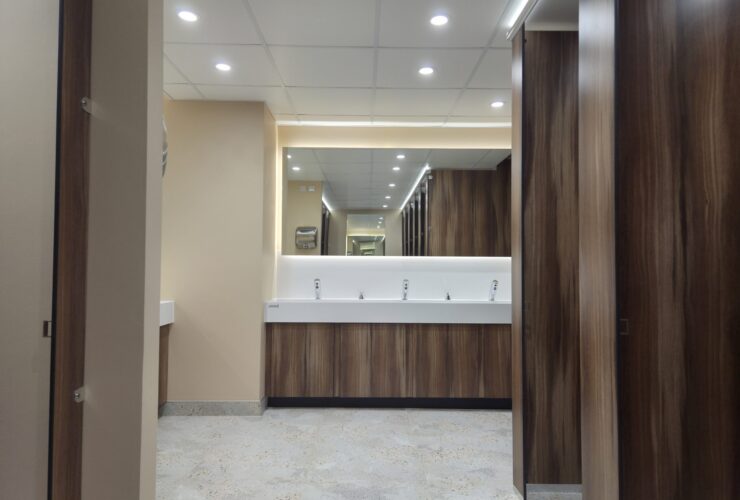
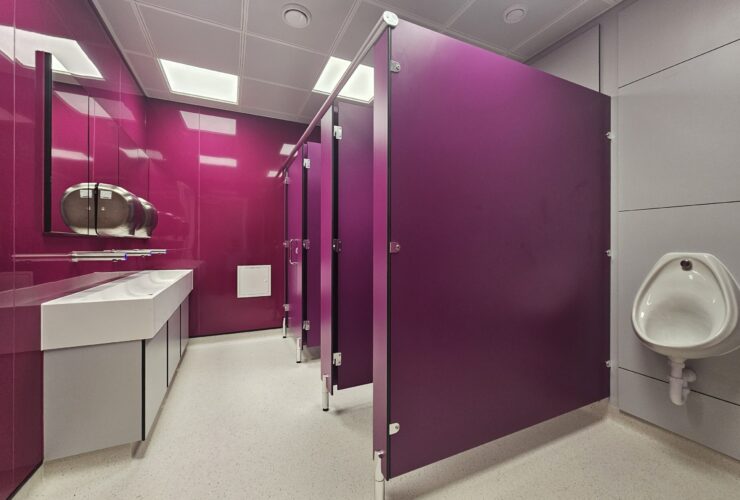
Modern washroom refurbishments can incorporate:
- Integrated drinking water refill stations
- Easy-clean wash troughs capable of handling higher usage
- Sensor-operated taps that reduce water waste
- Improved layouts that minimise congestion during busy periods
These features help encourage healthy hydration habits while supporting sustainability objectives.
Ventilation becomes increasingly important
Many older school washrooms suffer from poor airflow, creating spaces that quickly become warm, humid and uncomfortable during hot weather.
Improving ventilation should be a key consideration in any refurbishment project.
Modern extraction systems can help to:
- Reduce humidity
- Improve air quality
- Remove unpleasant odours
- Create a cooler, more comfortable environment for pupils and staff
As schools adapt to warmer summers, ventilation should no longer be viewed as an optional upgrade – it is becoming an essential part of creating resilient learning environments.
Choosing materials that perform in warmer conditions
Higher temperatures also place greater demands on washroom materials.
Schools need finishes that continue to perform despite increased humidity, heavier usage and more frequent cleaning during warmer months.
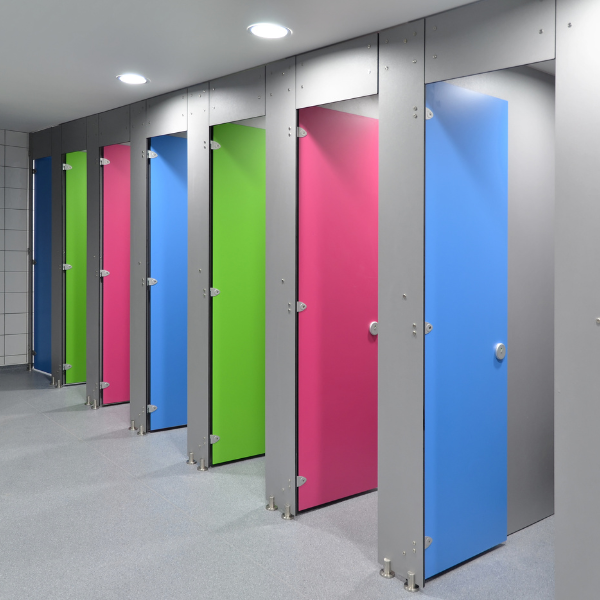
Durable materials such as solid grade laminate cubicles, hygienic wall cladding, solid surface wash troughs and high-quality vinyl flooring offer excellent long-term performance while remaining easy to clean and maintain.
Selecting robust materials not only extends the lifespan of the refurbishment but also reduces ongoing maintenance costs for busy estates teams.
Smart washroom design can help schools reduce water consumption
As temperatures rise, schools often find themselves under increasing pressure to manage water usage responsibly. During prolonged dry spells, many local authorities and water companies encourage public sector organisations to reduce consumption wherever possible, making water efficiency an increasingly important consideration for education estates.
School washrooms are among the most heavily used areas within any education setting, meaning even small improvements in efficiency can deliver significant long-term savings.
A modern washroom refurbishment provides the opportunity to introduce intelligent, water-saving technology without compromising the user experience.
Features such as:
- Sensor-operated taps that automatically shut off when not in use
- Flow restrictors that reduce water consumption while maintaining effective hand washing
- Timed or sensor-operated flushing systems that prevent unnecessary water use
- Leak-resistant plumbing and modern pipework
- Water-efficient sanitaryware designed for high-traffic education environments
Can all contribute to reducing overall water consumption.
For multi-academy trusts and local authorities managing multiple sites, these savings quickly add up – reducing utility costs while helping schools demonstrate responsible environmental management.
Supporting pupil wellbeing beyond the classroom
Learning doesn’t only happen inside classrooms.
The spaces pupils use between lessons influence how comfortable, confident and ready to learn they feel.
Clean, bright and well-ventilated washrooms provide pupils with somewhere to cool down, freshen up and rehydrate before returning to lessons.
For younger children especially, accessible and inviting facilities help reinforce healthy hygiene habits while reducing anxiety around using school toilets.
As temperatures continue to rise, these wellbeing benefits become even more significant.
Designing schools for tomorrow’s climate
Heatwaves that once felt exceptional are becoming increasingly common across the UK, particularly London and the South East of England. Experts are clear that school buildings need to become more resilient as the climate changes, with better ventilation, improved building performance and thoughtful adaptation now viewed as long-term priorities rather than future aspirations.
While no single refurbishment can solve every challenge, modernising school washrooms is a practical, high-impact investment that improves pupil comfort, supports wellbeing and creates facilities capable of meeting future demands.
Schools planning refurbishment programmes today have an opportunity to think beyond aesthetics and create washroom environments designed not just for today’s pupils, but for tomorrow’s climate.
Planning your next school washroom refurbishment?
At Interfix, we design and deliver durable, future-ready school washrooms that balance hygiene, longevity and pupil wellbeing.
Whether you’re planning a single washroom refurbishment or a phased estate improvement programme, our education washroom specialists can help you create facilities that perform in every season.
Speak to our team today to discuss your school’s washroom refurbishment plans.