As schools continue to navigate evolving safeguarding responsibilities, the Department for Education’s (DfE) updated guidance on gender-questioning children has introduced an important new area of focus: how schools manage access to single-sex spaces, including washrooms and changing facilities.
For school leaders, estates teams and facilities managers, the guidance raises practical questions about compliance, privacy, safeguarding and how school environments can support the dignity and wellbeing of all pupils.
While every school’s circumstances will differ, one thing is becoming increasingly clear: washroom provision is no longer just a facilities issue – it is now closely linked to safeguarding, policy and operational readiness.
What has changed in the DfE guidance?
The DfE’s recent guidance places the support of gender-questioning children firmly within a safeguarding framework, encouraging schools to take a cautious, case-by-case approach when making decisions that affect pupils.
Rather than applying blanket policies, schools are expected to carefully balance:
- The welfare and safeguarding of the child
- The rights and wellbeing of other pupils
- Equality duties
- Parental involvement
- Practical considerations relating to school environments and operations
Importantly for schools, the guidance explicitly references single-sex spaces, including toilets, changing rooms and sports facilities. This means school estates and facilities are now likely to come under greater scrutiny as part of wider safeguarding and inclusion planning.
For many schools, this will not necessarily require immediate structural change – but it may require a reassessment of whether existing facilities are equipped to support privacy, dignity and safeguarding expectations.
Why school washrooms are becoming a key consideration
School washrooms have always served a functional role, but the updated guidance highlights their importance as spaces linked to student wellbeing, safeguarding and personal privacy.
Schools are increasingly being asked to think about questions such as:
- Are washroom facilities designed to provide sufficient privacy for all pupils?
- Do pupils feel safe using existing washrooms?
- Are there practical options for pupils who require additional privacy?
- Are changing facilities appropriate and clearly managed?
- Do current layouts support both safeguarding and operational flexibility?
The challenge for schools is that there is no one-size-fits-all answer.
Older school buildings may have traditional washroom layouts with limited flexibility, while newer schools may already incorporate enhanced privacy features or individual cubicle systems. What matters most is that schools can demonstrate a considered, proportionate approach.
What schools should review now
Rather than waiting for issues to arise, schools may benefit from proactively reviewing washroom and changing facilities against the principles outlined in the new guidance.
- Privacy and dignity
One of the clearest practical takeaways from the guidance is the growing importance of privacy.
Schools should consider whether washroom and changing facilities allow pupils to feel comfortable and secure. This may include reviewing:
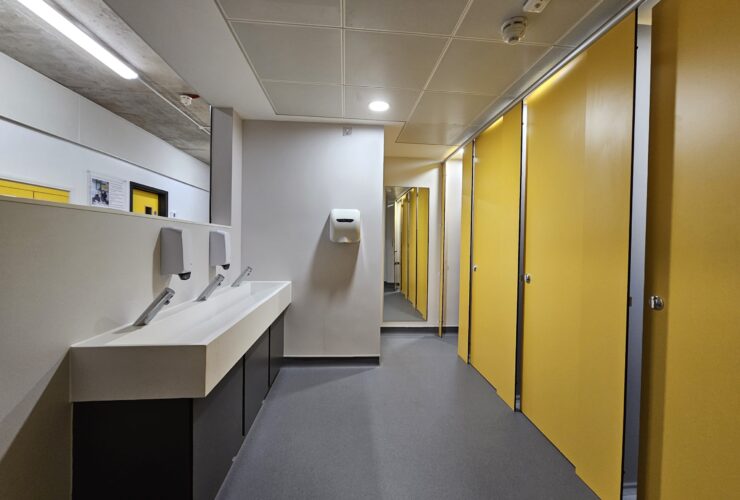
- Cubicle height and privacy gaps
- Sightlines into washrooms
- Shared washing areas
- Open-plan changing facilities
- Access to private or individual-use spaces where appropriate
In many schools, relatively modest upgrades can significantly improve privacy without requiring extensive redevelopment.
- Safeguarding and supervision
Schools also need to consider how facilities support wider safeguarding responsibilities.
Washrooms should strike the right balance between:
- Maintaining pupil privacy
- Reducing opportunities for bullying or inappropriate behaviour
- Supporting effective supervision where necessary
- Ensuring staff can respond appropriately to concerns
This may lead some schools to review layouts, traffic flow or underused areas that could create safeguarding risks.
- Accessibility and inclusivity
Although the current guidance focuses specifically on gender-questioning children, schools should take a broader view of accessibility and inclusion.
Facilities should also work effectively for:
- Pupils with SEND requirements
- Younger pupils requiring additional support
- Pupils needing temporary privacy for medical or wellbeing reasons
- Staff and visitors
Designing for flexibility often benefits the entire school community – not only a specific group of pupils.
- Policy alignment
Physical environments and school policies should work together.
If schools are reviewing policies on changing rooms, toilet access or safeguarding procedures, it makes sense to assess whether facilities support those policies in practice.
For example:
- Are designated facilities clearly communicated?
- Is signage appropriate and consistent?
- Are staff confident in handling requests sensitively?
- Are procedures documented and understood?
Operational clarity can often prevent misunderstandings before they escalate.
How schools can prepare without major disruption
A common concern for schools is whether the new guidance means expensive capital projects or wholesale redesigns.
In many cases, the answer is no.
Preparation may begin with a simple audit of existing facilities and identifying where small improvements could strengthen privacy, safeguarding and usability.
Potential measures might include:
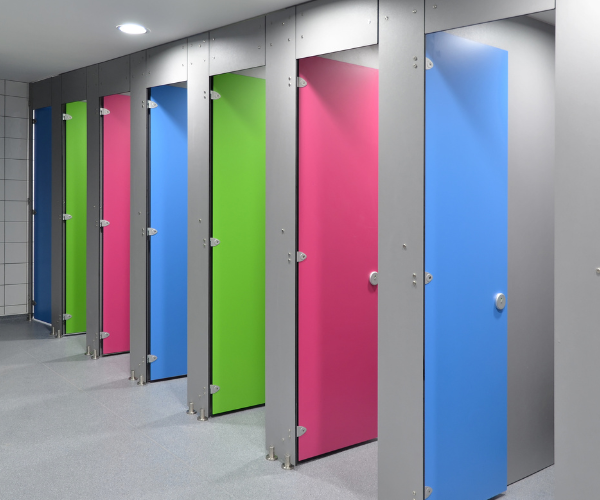
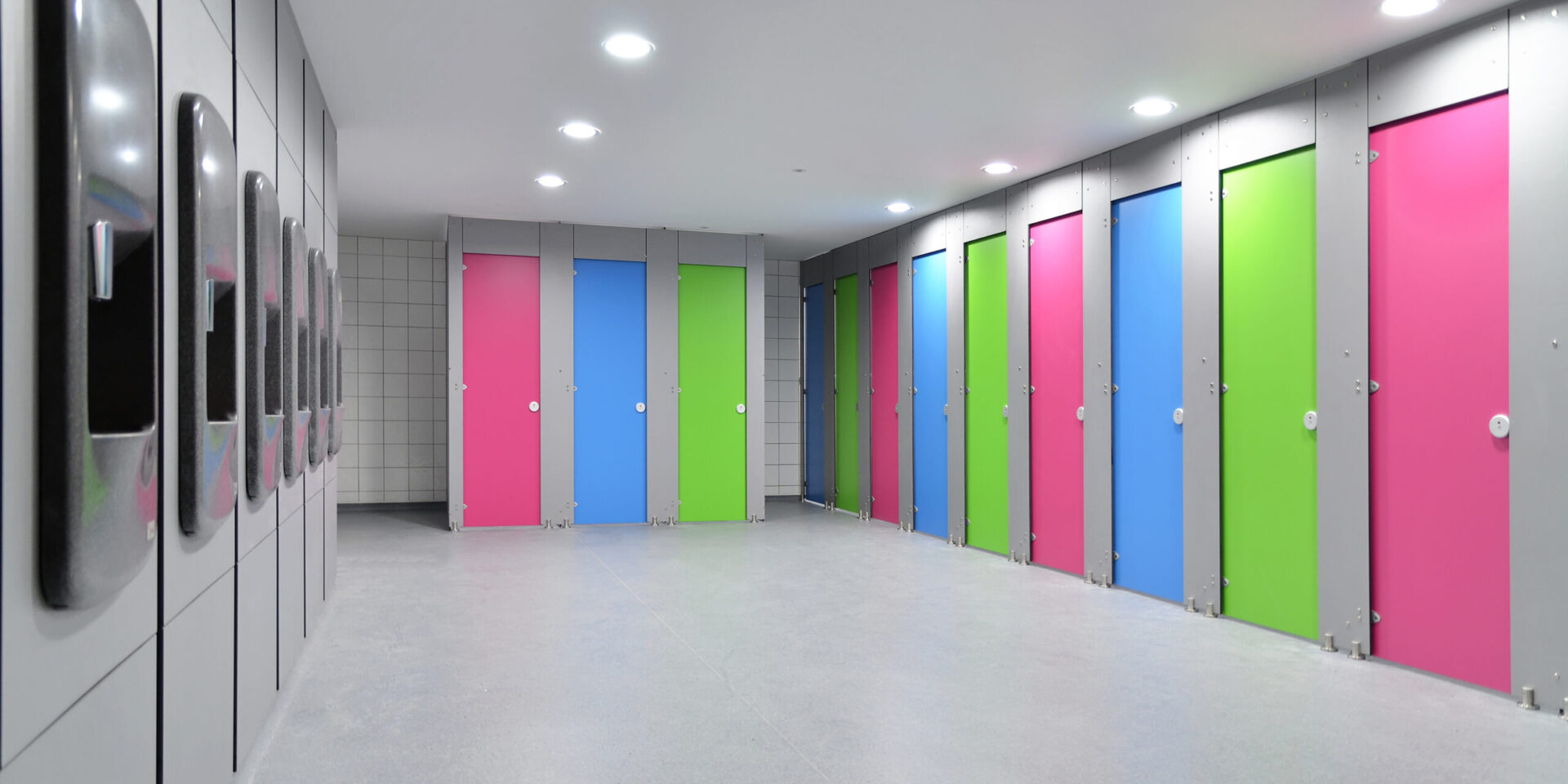
- Upgrading cubicle systems for greater privacy
- Improving locks, partitions or screening
- Creating flexible single-user spaces where practical
- Reviewing changing room arrangements
- Improving maintenance and cleanliness standards
- Updating signage and wayfinding
For schools planning refurbishments or estates upgrades, this may also be an opportunity to future-proof washroom provision against changing expectations and official guidance.
A practical washroom readiness checklist for schools
As schools interpret the latest DfE guidance, it may be helpful to ask:
- Do current washrooms provide adequate privacy?
- Are changing facilities appropriate for pupil needs?
- Are safeguarding risks within facilities understood?
- Are policies and physical spaces aligned?
- Are staff confident in responding to sensitive situations?
- Could small estates improvements reduce future challenges?
Being able to answer these questions confidently may help schools demonstrate a thoughtful and proportionate response to evolving expectations.
How the latest DfE guidance impacts schools across London and South East England
The DfE’s guidance on gender-questioning children is likely to remain an evolving area for schools, and there will inevitably be continued discussion around implementation.
However, regardless of future developments, one principle is already clear: schools are increasingly expected to ensure that facilities support privacy, dignity, safeguarding and wellbeing for all pupils.
For school leaders and estates teams, this presents an opportunity to move beyond reactive responses and take a proactive approach to washroom planning – ensuring facilities are practical, compliant and fit for the needs of modern school environments.
At Interfix, we understand the challenges that schools face and work with them to deliver durable, practical washroom environments that prioritise privacy, safeguarding and long-term usability. As expectations around school facilities continue to evolve, thoughtful washroom design can play an important role in helping schools feel prepared for the future.
If you would like support in navigating the latest guidance from DfE, contact our team of washroom experts to book a free site visit where we can conduct a thorough audit of your school washroom and changing facilities to assess their readiness for the latest changes, and provide strategic, future-ready guidance to ensure your facilities continue to support your student and staff now, and well into the future.