Museums invest considerable time and resources in creating memorable visitor experiences. Collections are carefully curated, exhibitions are thoughtfully designed and education programmes are developed to engage audiences of all ages.
However, a visitor’s impression of a museum is not shaped by its exhibits alone. From the entrance and café to the signage, seating and washrooms, every part of the building contributes to how welcoming, accessible and well managed the venue feels.
For museums looking to attract new audiences, encourage repeat visits and improve their overall visitor experience, washrooms deserve to be part of the conversation.
The complete museum visitor journey
Visitor expectations are changing. People increasingly compare museums not only with other cultural institutions, but with the polished experiences offered by modern leisure, retail and hospitality venues.
Research1 into changing visitor behaviour recommends that attractions move beyond basic accessibility compliance and create a genuinely welcoming experience for people with a wide range of needs. It also highlights the influence children have on families’ decisions to return to an attraction.
This means looking beyond the exhibition spaces and considering the visit as a whole.
Washrooms that are difficult to find, poorly maintained, dated or unsuitable for families and disabled visitors can introduce unnecessary frustration into an otherwise enjoyable day. Clean, accessible and thoughtfully designed facilities help the visitor journey feel seamless from arrival to departure.
Supporting families and younger visitors
For many museums, families represent an important audience. Family visits can build lifelong relationships with culture, while positive experiences are more likely to encourage recommendations and return visits.
Practical facilities make a significant difference. Parents and carers may need:
- Baby-changing facilities
- Larger cubicles that can accommodate an adult and child
- Accessible facilities
- Lower basins or safe steps for younger children
- Space for buggies
- Clear, easy-to-follow signage
- Hygienic, easy-to-use fixtures
The Kids in Museums Manifesto2 recommends baby-changing provision and Changing Places facilities as part of creating a family-friendly venue. It also notes that good facilities can encourage families and young people to stay for longer.
For museums seeking to increase family visits, the washrooms are therefore not simply a practical necessity. They are part of demonstrating that families are genuinely welcome.
Accommodating school and group visits
School visits often bring large numbers of children into a museum at the same time, placing considerable pressure on toilets during arrival, lunch and departure periods.
Insufficient capacity, awkward layouts and difficult-to-clean surfaces can lead to queues, disruption and additional work for staff. An effective museum washroom refurbishment should consider how people move through the space, not simply how many toilets can be fitted into it.
Depending on the venue, this might include:
- Improving circulation and entrance layouts
- Increasing cubicle capacity
- Providing robust, low-maintenance fittings
- Creating clearly identifiable handwashing areas
- Using sensor-operated taps and flush systems
- Incorporating easy-clean wall and floor finishes
- Designing facilities that can be monitored and maintained efficiently
Durable materials are particularly important in museums with busy education programmes or seasonal peaks in visitor numbers.
Creating a genuinely inclusive museum
Accessibility should be considered throughout the entire museum experience. A visitor may be able to enter a building and move between exhibitions but still be unable to stay comfortably if suitable toilet facilities are not available.
Accessible washroom design may include appropriately configured accessible toilets, ambulant cubicles, clear visual contrast, suitable grab rails and layouts that offer sufficient space for users and carers.
Some museums may also consider a Changing Places toilet. Unlike a standard accessible WC, these facilities provide additional space and specialist equipment for people with more complex needs.
This can be especially important for museums that want to welcome multigenerational families, disabled visitors, carers and organised community groups. Where suitable facilities are unavailable, some potential visitors may have little choice but to shorten their stay or avoid the venue altogether.
Managing sensory needs
Museum audiences are diverse, and washroom environments should account for people with sensory sensitivities.
Hand dryers, harsh lighting, strong echoes and sudden sensor activation can be uncomfortable or distressing for some visitors. Kids in Museums2 suggests that providing paper towels as an alternative can form part of a more welcoming approach for autistic visitors and their families.
A considered design can explore:
- Quieter hand-drying options
- Balanced, non-flickering lighting
- Improved acoustic performance
- Simple signage and visual contrast
- Fixtures that are intuitive to operate
- Calm colours and an uncluttered layout
These details can make the facilities easier and more comfortable for many different users.
Balancing modern standards with historic buildings
Many museums occupy listed, historic or otherwise architecturally significant buildings. This can present practical challenges when upgrading washrooms.
Restricted footprints, uneven floors, protected features, limited service routes and planning requirements may all affect what can be achieved. The solution must balance contemporary standards with sensitivity towards the building.
Early surveys and careful project planning are essential. A specialist washroom refurbishment team, such as Interfix, can assess the existing space, identify potential constraints and develop a solution that respects the character of the venue while improving performance and accessibility.
Improving efficiency behind the scenes
For museum teams, the benefits of better washrooms extend beyond visitor satisfaction.
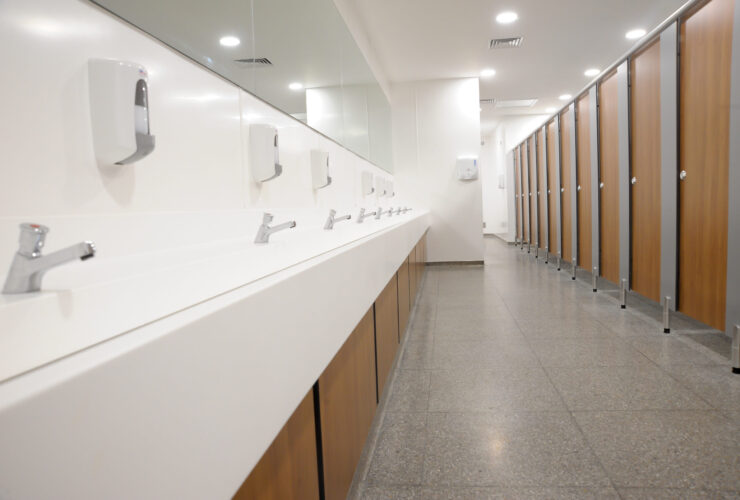
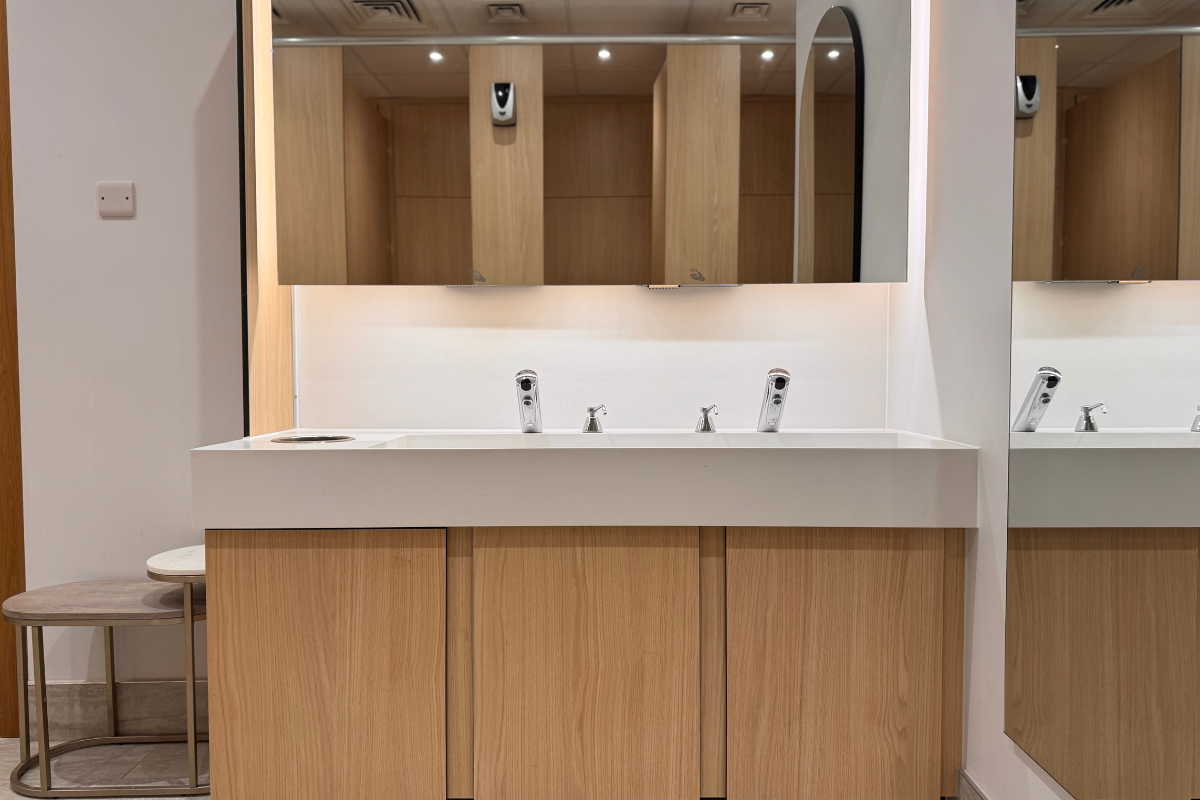
Water-efficient taps, flush controls and sanitaryware can help reduce water consumption. Durable cubicles, hygienic wall cladding and solid-surface wash troughs can make cleaning and maintenance more straightforward. Carefully specified materials can also reduce the frequency of repairs and replacements.
This is particularly valuable for venues facing pressure on operating budgets. A lower initial quote price does not necessarily represent the best long-term value if finishes deteriorate quickly or fittings are difficult to maintain. It is important to consider the value of the project investment vs the longevity of the solution provided.
Making washrooms part of the museum experience
A museum washroom does not have to compete with the collections, but it should feel like a considered part of the building.
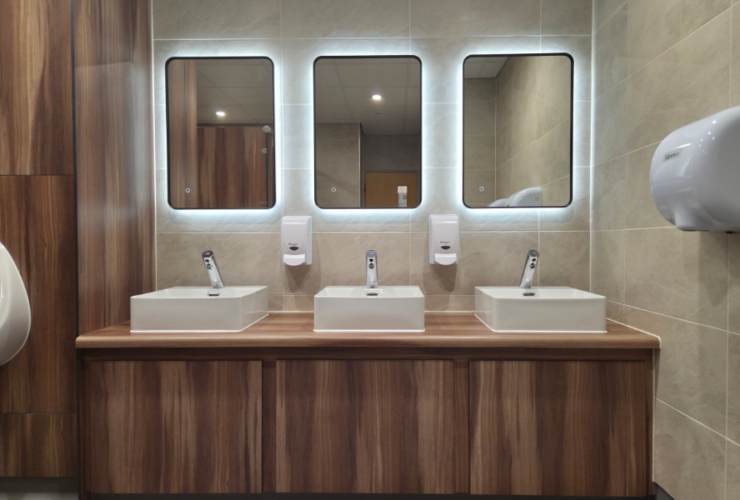
Colours, finishes and detailing can complement the museum’s identity while retaining the durability required for a public facility. Even modest design choices can help the space feel reassuring, contemporary and consistent with the standards visitors encounter elsewhere in the venue.
Ultimately, a successful museum visit depends on more than what visitors see in the exhibition galleries. It depends on whether they feel comfortable, included and cared for throughout their time in the building.
The Interfix Perspective
At Interfix, we believe museum washrooms should be planned as an integral part of the visitor experience – not simply treated as a functional necessity.
Museums welcome a particularly varied audience, from school groups and young families to older visitors, tourists, disabled people and carers. Their facilities must respond to these different needs while coping with periods of intense footfall and remaining straightforward for staff to clean and maintain.
Our approach begins with understanding how the museum operates: who visits, when pressure points occur, how people move through the building and what constraints the existing space presents. We can then develop a tailored washroom solution that balances capacity, accessibility, durability and design.
As a turnkey washroom refurbishment specialist, Interfix manages every stage – from the initial site visit and design through to procurement, project management, installation and completion. With one point of contact and regular progress updates, we help museum teams deliver better facilities while keeping disruption carefully controlled.
Planning a museum washroom refurbishment?
Interfix provides professional, personable and cost-effective turnkey washroom solutions for visitor attractions across London, the South East and East of England.
From the initial free site visit through to washroom design, procurement, project management and installation, our team provides one point of contact throughout the refurbishment.
If your museum facilities no longer meet the needs of your visitors, talk to Interfix about creating washrooms that complement your venue and support everyone who uses it.
Resources
Frequently Asked Questions
What should museums consider before refurbishing their washrooms?
Museums should consider visitor numbers, peak periods, school and family visits, accessibility, cleaning requirements, existing services and any restrictions associated with the building. An initial site survey can help establish what is achievable.
Can museum washrooms be refurbished in a listed or historic building?
Yes, however the design may need to account for protected features, available space and planning or listed-building requirements. With listed building projects, careful investigation and early consultation are particularly important.
How can museum washrooms be made more family friendly?
Useful features include baby-changing facilities, larger cubicles, accessible layouts, child-friendly handwashing provision and clear signage. The needs of different family structures and carers should be considered.
Which materials work well in busy museum washrooms?
Durable cubicle systems, hygienic wall cladding, solid-surface wash troughs and easy-clean finishes can all perform well in high-footfall environments. Specifications should reflect visitor volume, maintenance needs and the museum’s design standards.
Can a museum remain open during a washroom refurbishment?
In many cases, work can be phased or scheduled around quieter periods to reduce disruption. The most appropriate approach will depend on the building, available alternative facilities and the scope of the project. At Interfix, we have extensive experience in delivering washroom refurbishments for venues whilst they remain open. Our approach can be tailored to the required project scope, and can include temporary facilities where alternative facilities aren’t available.